Defend Your Home: Proven Termite Control Strategies You Must Know
Termites present a serious danger to residential properties. The damage they cause frequently remains hidden until significant harm is done. Being aware of their patterns and warning signs is vital for homeowners. Proven management techniques can secure properties and minimize financial loss. However, many homeowners remain unaware of the extensive measures available. Exploring these strategies can provide valuable insights into protecting one's home against these persistent pests. What actions can realistically bring about meaningful change?
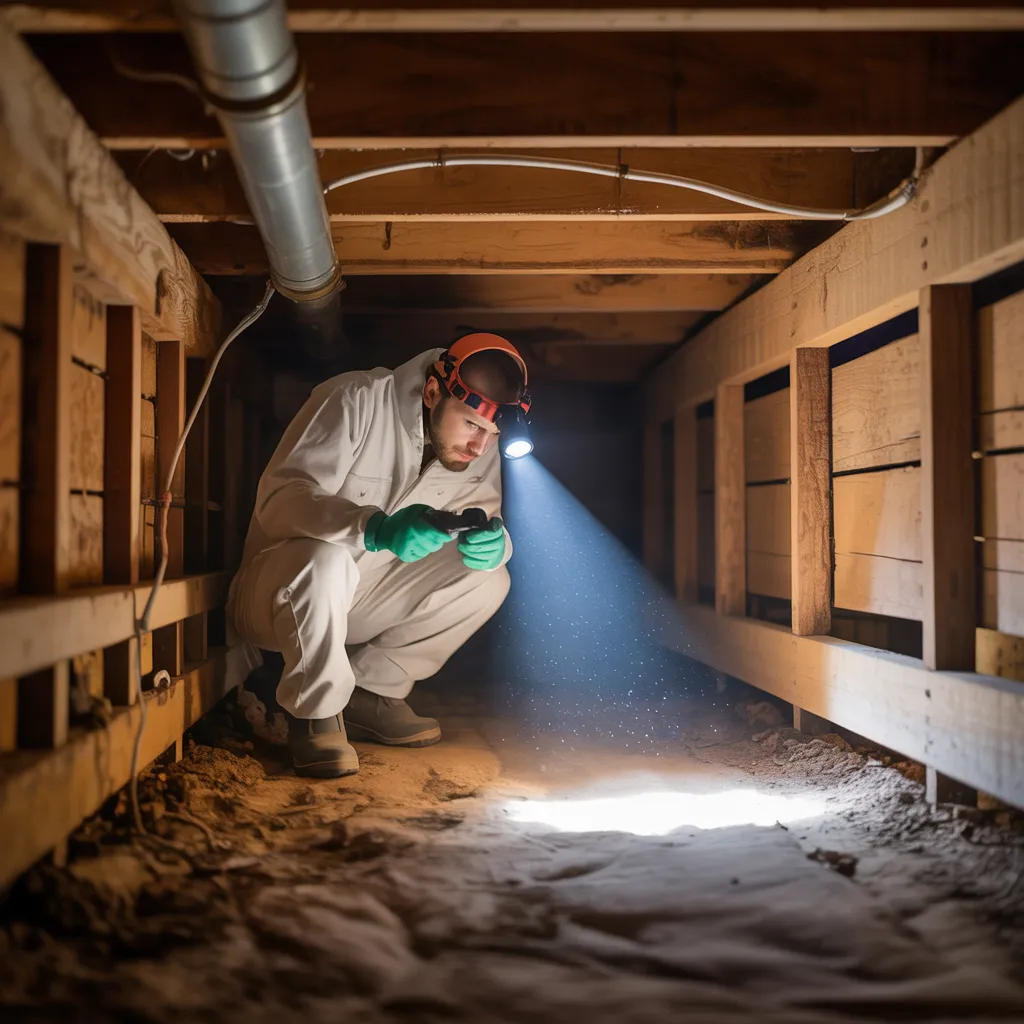
Exploring Termite Behavior and Damage
Termites, frequently called "silent destructors," pose a significant threat to structures due to their wood-consuming habits. These insects primarily feed on cellulose, which is abundant in wood, paper, and certain plants. Their colonies can number in the millions, allowing them to consume vast amounts of material quickly. Termites typically operate in hidden networks, rendering early identification particularly challenging and permitting considerable destruction before symptoms become visible.
Different species exhibit varying behaviors; to illustrate, subterranean termites build elaborate tunnels in soil, while drywood termites attack wooden structures without soil contact. The damage caused can compromise the integrity of buildings, causing significant financial burden for repairs. Comprehending these behaviors is critical for both homeowners and pest management experts, as it informs effective management strategies. Understanding the significant effects of termite activity underscores the value of proactive steps in protecting buildings from these relentless insects.
Signs You Need Termite Control
Recognizing when termite control is necessary is crucial for keeping your structure sound and intact. Key indicators include noticeable damage to wood surfaces, the existence of mud tunnels, and the observation of swarming insects. Recognizing these signs early can assist in avoiding significant damage and expensive repairs.
Indicators of Wood Damage
Wood damage serves as an essential warning sign that termite infestation could exist within a residence. Residents should remain alert for distinct evidence of this destruction. A hollow sound in wood often suggests significant tunneling within load-bearing structures. Additionally, frass, which resembles sawdust, may accumulate near wooden surfaces, indicating termite feeding. Expansion or bending of wood structures can likewise point to moisture issues and pest-induced deterioration. Additionally, apparent fractures or grooves may emerge on wooden supports, offering further confirmation of termite infestation. Consistent evaluations of wooden components, most notably in crawl spaces and overhead areas, can aid in recognizing these warning signs at an early stage. Should any of these warning signs be detected, immediate measures must be taken to avoid severe structural deterioration and expensive remediation, keeping the property a protected and stable living space.
Presence of Mud Tubes
Often overlooked, the existence of mud tubes is a definitive signal that termite activity is nearby. These tubes, commonly constructed from soil, wood, and saliva, serve as safe passageways for termites as they commute between their nest and food sources. Frequently discovered in basements, crawl spaces, or along walls, the tubes insightful guide can differ in size and may resemble small pencil-like structures. Their existence implies that termites are currently consuming wood within the home. Homeowners should immediately conduct further investigation upon finding these tubes, as they suggest a potential infestation. Disregarding their existence can lead to significant harm, making timely termite control strategies critical for defending the property against these damaging pests.
Insect Swarming Observed
When swarming insects are observed around a property, it can be an obvious sign of a termite infestation. Generally, these swarming insects are reproductive termites, referred to as alates, that emerge from their nests to mate and form new colonies. Their appearance often coincides with warmer months, especially following rainfall, making it important for homeowners to stay alert during this period. Swarming termites can be mistaken for flying ants, yet a thorough examination uncovers clear distinctions, including body shape and antenna structure. Additionally, discarded wings may accumulate near entry points, further indicating their presence. Property owners should treat these signs seriously and consider reaching out to pest control professionals to examine the situation and develop effective termite management strategies.
Essential Preventive Methods to Protect Against Termites
Termite control demands a forward-thinking strategy to shield properties from potential infestations. Residents can adopt several actions to lower the risk of termite activity. First, it is vital to eliminate moisture sources, as termites are drawn to damp environments. Routinely check and fix any faulty pipes or gutters to stop moisture from collecting near the foundation.
Furthermore, establishing a proper barrier around the house is necessary. This can be managed by eliminating debris, mulch, and additional cellulose materials from the foundation area. Households should also make sure that wood structures are at least six inches above the ground to minimize contact with soil.
Setting up structural barriers, including metal mesh or sand-based barriers, can further deter termites. Periodic inspections by pest management experts can enable the detection of possible problems before they worsen. By implementing these precautionary steps, homeowners can significantly lower their exposure to termite infestations.
Key Steps for Efficient Termite Treatment
Tackling a termite infestation without delay is vital to protecting a home from serious harm. The initial step requires recognizing the indicators of an infestation, including shed wings, mud tunnels, or wood that sounds hollow. Upon verification, residents should look into hiring a licensed pest control specialist, since such experts carry the skills and resources needed to carry out thorough and effective treatment.
In the interim, prompt measures should involve closing off entry points and minimizing dampness in compromised areas, as termites are attracted to humid surroundings. Residents are advised to eliminate wood waste and cellulose items around the foundation. Applying targeted insecticides can offer short-term relief until professional help arrives.
Consistent observation of the property is essential, as prompt discovery can considerably minimize lasting damage. By following these urgent actions, property owners can successfully tackle an infestation and safeguard their investment from additional damage.
Assessing the Efficiency of Natural Solutions for Termite Management?
To what extent are natural remedies in addressing termite infestations? This inquiry has drawn considerable attention as homeowners search for options beyond chemical treatments. A range of natural remedies, such as nematodes, diatomaceous earth, and essential oils like orange oil and neem, have been promoted for their pest-control properties. Studies suggest that while these remedies can reduce termite populations, their effectiveness frequently falls short of conventional methods.
For example, nematodes have shown effectiveness in targeting termites, but their effectiveness depends on environmental conditions. In the same way, diatomaceous earth can help deter termites but requires precise application to guarantee efficacy. Essential oils can disrupt termite behavior, however high concentrations are frequently required to produce significant results.
When Is It Time to Call in the Professionals for Pest Control?
When should you call in professional pest control experts? Property owners ought to seek professional help when termite infestation signs go beyond what they can handle on their own. This includes visible damage to wooden structures, such as hollow-sounding wood or mud tubes along walls. If natural remedies fail to yield results, professional intervention becomes necessary. Additionally, a significant number of termites or a widespread infestation indicates that the situation is beyond DIY solutions.
For those uncertain about the extent of the problem, expert pest control companies provide comprehensive inspections and professional evaluations. They possess the tools and knowledge to identify hidden infestations and implement effective treatments. Ultimately, engaging professionals not only guarantees immediate action but also provides long-term solutions, safeguarding the integrity of the home against future threats. Property owners are strongly advised to pursue expert assistance when dealing with ongoing or serious pest concerns.
Effective Long-Term Methods for a Home Free of Termites
Long-term strategies for maintaining a termite-free home depend on routine inspections and careful upkeep. By identifying potential issues early, property owners can stop infestations before they begin. Additionally, applying moisture reduction strategies is vital, because termites prosper in humid surroundings.
Scheduled Inspections and Maintenance
Regular inspections and maintenance play an essential role in avoiding termite infestations and maintaining a termite-free home over time. Homeowners are encouraged to schedule regular inspections, ideally conducted by a professional pest control service, to recognize potential indicators of termite activity at an early stage. Throughout these evaluations, susceptible areas such as basements, crawl spaces, and wooden structures must be carefully inspected. Preventive maintenance including addressing leaks, sealing cracks, and providing proper ventilation also help lower the chances of drawing termites. Furthermore, homeowners are advised to store wood and debris away from the foundation to minimize potential nesting sites. By committing to these proactive measures, homeowners can greatly enhance their defenses against termites, protecting their homes well into the future.
Humidity Management Strategies
Keeping a dry environment is critical for preventing termite infestations, and implementing proper moisture control measures is vital for lasting protection. Homeowners ought to routinely check gutters and downspouts to ensure adequate drainage, directing water away from the foundation. Sealing cracks in walls and foundations can prevent moisture ingress, creating a less inviting environment for termites. In addition, placing vapor barriers in crawl spaces can significantly decrease moisture and humidity levels. It is also essential to verify that the surrounding landscaping does not permit water to collect near the base of the home. Regular maintenance of plumbing to avoid leaks is another key strategy. By prioritizing these moisture control measures, homeowners can greatly reduce the risk of termite infestations and protect their investments over time.
Frequently Asked Questions
How Much Does Termite Treatment Typically Cost?
The typical cost of termite treatment is between $200 and $2,500, based on the severity of the infestation, treatment method, and property size. It is advisable for homeowners to gather several estimates for accurate pricing and effective service selection.
Can Termites Return After Treatment?
Indeed, termites may come back after treatment if not properly managed. A new infestation may occur due to adjacent colonies in the area or inadequate treatment. Regular inspections and preventive measures are essential to reduce the likelihood of recurring termite activity.
Can DIY Termite Treatments Be Effective?
DIY termite treatments can be somewhat effective for minor infestations, but frequently fall short of achieving full elimination. Professional services typically offer more extensive solutions, ensuring long-term prevention and management of termite issues.
What Types of Termites Are Most Common?
The most prevalent types of termites include subterranean, drywood, and dampwood termites. Subterranean termites are widely considered common and notorious for producing significant structural damage, whereas drywood and dampwood varieties generally cause more limited damage.
How Long Can a Termite Treatment Last?
Termite treatment solutions generally remain effective for between three to five years, depending on the method used and environmental factors. Regular inspections and maintenance can extend effectiveness, guaranteeing lasting protection from potential termite activity going forward.